Fertility care often focuses on individual numbers, timelines, and protocols — but truly personalised support is frequently missing. Important areas can be dismissed, and single markers such as AMH are sometimes used to make broad assumptions about a woman’s fertility, without exploring the wider context or giving equal consideration to male factor fertility.
In my clinical work, I regularly support women who go on to conceive despite being told they have a low AMH. Research clearly shows that AMH reflects ovarian reserve, not the ability to conceive naturally. When this marker is taken out of context, it can create unnecessary fear and limit how fertility is explored. Fertility is rarely explained by one number alone.
I work with a small number of clients who want to take a deeper look at their health and fertility. The majority of those I support go on to become pregnant — some naturally and some with IVF support. I attribute this not to doing more, but to taking the time to explore what may have been missed, asking better questions, and fully considering both female and male factors rather than focusing on isolated results.
Why people get stuck on their fertility journey
Many people aren’t stuck because there is “nothing wrong.” They’re stuck because the right questions haven’t been asked. Symptoms are often treated in isolation, assumptions are made based on age or AMH, and one-size-fits-all approaches are applied without individual context. Male factor fertility may not be fully explored, and some are rushed into IVF without adequate preparation or understanding of why conception hasn’t happened yet. Without clarity, the journey can feel repetitive, confusing, and emotionally exhausting.
Why your menstrual cycle matters more than most people realise
Your menstrual cycle is not something to endure each month — it’s a valuable source of information. It acts as a regular report from your body, often showing subtle signs of imbalance long before anything appears on scans or pregnancy tests. Changes in cycle length, ovulation patterns, bleeding quality, premenstrual symptoms, spotting, or pain can all provide insight into hormonal health and underlying contributors to infertility. When we truly understand the cycle, we gain important clues about what the body needs in order to conceive.
How I work — piecing the whole picture together
I work with people who want a deeper understanding of their fertility and the factors influencing it. This means looking beyond the ovaries or uterus and considering the body as a whole. Some clients come to me at the beginning of their fertility journey, wanting to optimise health before conception. Others arrive after years of trying, multiple failed IVF cycles, unexplained infertility, or recurrent miscarriage.
My work involves exploring menstrual and hormonal patterns in detail, investigating commonly overlooked areas such as inflammation, digestion, stress physiology, immune dysfunction, and the gut–vaginal–uterine microbiome. I support men as an equal part of the fertility picture and help clients make sense of tests they’ve already had, identifying whether anything meaningful has been missed.
Above all, I work relationally. I take time, listen carefully, and connect the dots — because fertility care works best when people feel seen, supported, and understood.
Who I’m best suited to support
I tend to work best with people who feel dismissed or unheard in standard care, and who want to understand why things aren’t shifting. My approach suits those who value thoughtful, evidence-informed, holistic support and are open to looking at the bigger picture rather than quick fixes.
If you’re ready to optimise your health and fertility and begin moving forward with clarity, you’re welcome to book a discovery call to explore whether working together feels right.
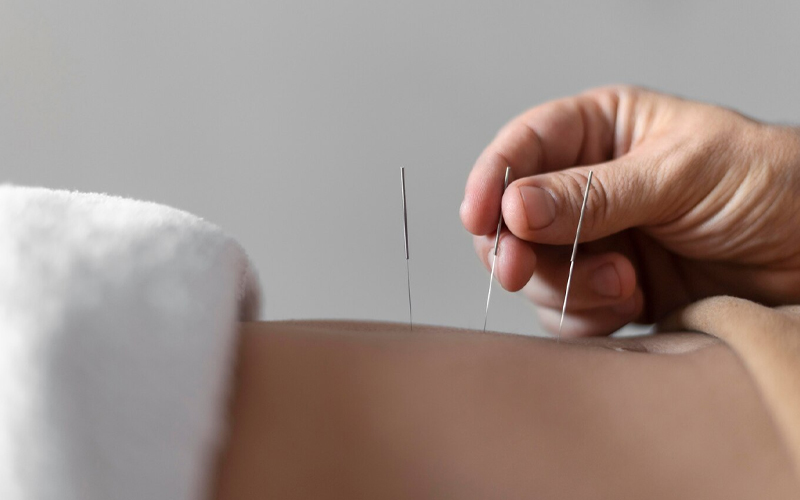
Book a free 15-minute discovery call or skip straight to a consultation by booking here, to learn how acupuncture can support your cycle, promote healthy flow, and optimise your fertility naturally.