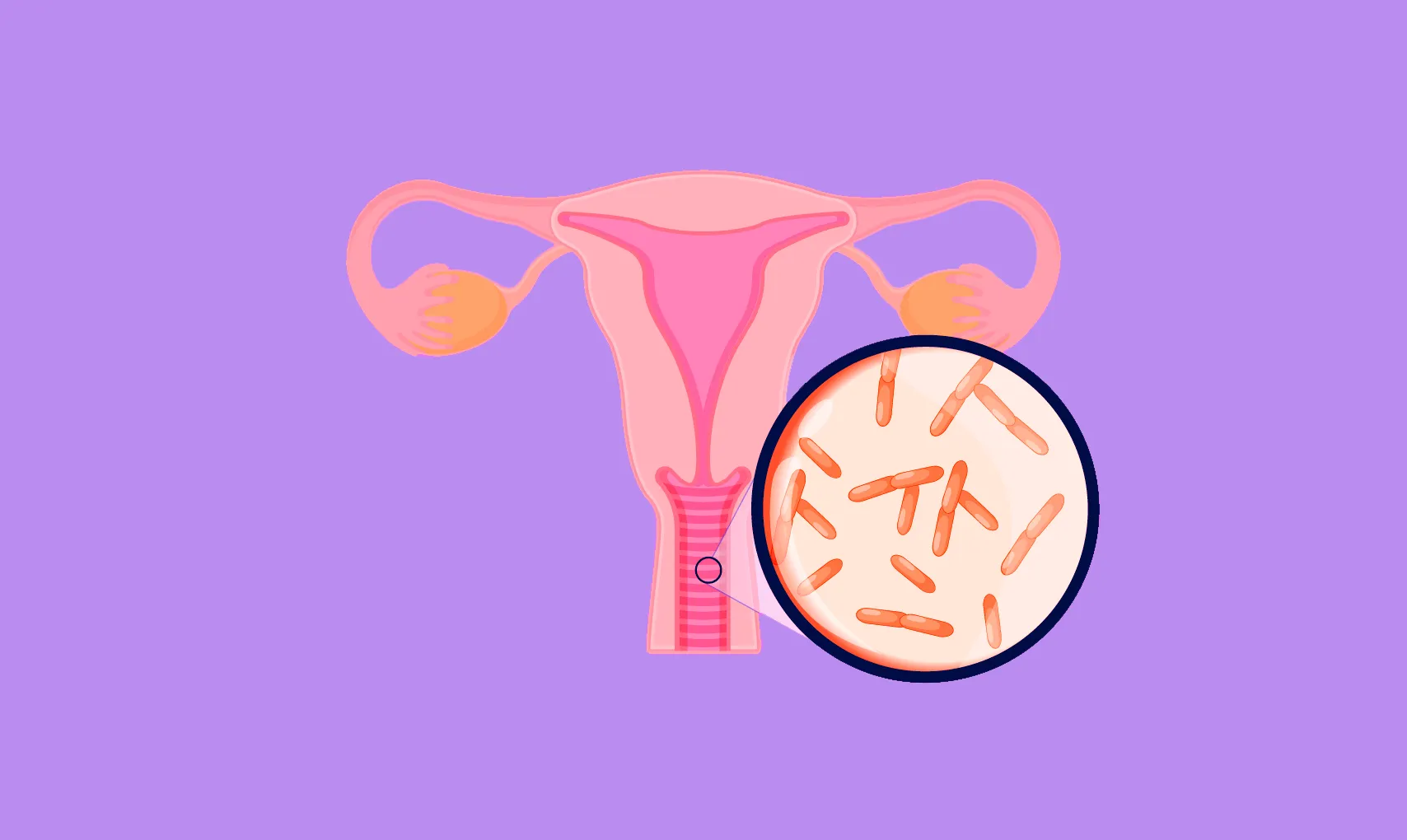
When people think about fertility, the first things that come to mind are hormones, ovulation, egg quality or sperm count. But there’s another powerful influence that often goes completely unnoticed — one that silently shapes whether conception happens or not.
We’re talking about your reproductive microbiome, your vaginal pH, your cervical mucus, and even your partner’s microbiome.
These elements might not sound as familiar as progesterone or AMH levels, but they can make or break your chances of conception. And yet, they’re rarely tested in standard fertility care
Your Vagina Is Naturally Acidic — and That’s Protective
A healthy vaginal pH sits between 3.5 and 4.5 — slightly acidic, and exactly as nature intended.
This acidity is thanks to beneficial bacteria called Lactobacilli, which help:
This acidic environment acts like a natural defence system, creating a protective barrier that supports reproductive health and keeps harmful microbes in check.
Semen Is Alkaline and Your Body Adapts to It
Semen, by contrast, is alkaline, with a pH of around 7.2 to 8.0. This is what helps sperm survive their journey through the vagina.
While the vaginal environment remains acidic most of the time, the cervical mucus becomes more alkaline around ovulation, creating a friendly pathway for sperm to swim, survive, and reach the egg.
Your body is constantly adapting to support conception, and this delicate dance between acidity and alkalinity is a perfect example.
Cervical Mucus “Activates” Sperm
Cervical mucus isn’t just there to indicate ovulation; it plays an active role in fertility. Around ovulation, it becomes:
It also contains short-chain fatty acids (SCFAs) — small molecules made by your microbiome. These SCFAs help to:
When the vaginal microbiome is imbalanced, SCFA levels can drop, meaning sperm may not get the activation boost they need.
Your Partner’s Microbiome Matters Too
It’s not just the female microbiome that plays a role in conception. Men also have a microbiome within the semen, prostate, and urethra.
Because sperm and urine pass through the same tube (the urethra), bacteria from the urinary tract can attach to sperm as they exit.
Infections such as E. coli, Ureaplasma, or Mycoplasma can:
A man’s urinary microbiome can therefore have a direct impact on sperm quality and conception outcomes.
When the Vaginal Microbiome Is Imbalanced
When levels of Lactobacilli drop, the vaginal pH rises, and problems can begin.
A higher pH is linked with:
Many couples are told that “everything looks normal” when, in fact, the real issue lies in the environment where sperm and egg meet.
Why This Is So Often Overlooked
Most fertility investigations don’t include testing for:
That’s why some couples are left without answers — even after extensive testing. The truth is, the microbiome is the soil of fertility. If that soil is imbalanced, even healthy eggs and sperm can struggle to meet, fertilise, and implant.
The microbiome is highly responsive to the right care. With targeted treatment, lifestyle adjustments, and holistic support (like acupuncture and nutrition), balance can often be restored. If you’ve been dealing with recurrent BV, HPV, UTIs, painful sex, changes in discharge, or “unexplained” infertility, exploring your reproductive microbiome could offer the missing piece of the puzzle.
Your body has incredible wisdom — sometimes it just needs a little help finding balance again. Book a free 15-minute discovery call or skip straight to a consultation by booking here, to learn how acupuncture can support your cycle, promote healthy flow, and optimise your fertility naturally.